

The Role of Copper Filter Screens in Sustainable Building Practices: A Comprehensive Overview
Mar 29,2026


The Role of Copper Filter Screens in Sustainable Building Practices
Table of Contents
Introduction to Copper Filter Screens
Understanding Sustainability in Building Practices
What are Copper Filter Screens?
Benefits of Copper Filter Screens in Construction
Applications of Copper Filter Screens in Building
Copper Filter Screens vs. Other Materials
Eco-Friendly Propertie

The Role of Copper Filter Screens in Sustainable Building Practices
Table of Contents
- Introduction to Copper Filter Screens
- Understanding Sustainability in Building Practices
- What are Copper Filter Screens?
- Benefits of Copper Filter Screens in Construction
- Applications of Copper Filter Screens in Building
- Copper Filter Screens vs. Other Materials
- Eco-Friendly Properties of Copper
- The Future of Copper in Sustainable Building Practices
- Frequently Asked Questions
- Conclusion
Introduction to Copper Filter Screens
In an era where sustainable building practices are gaining significant traction, the role of materials that promote eco-friendliness has never been more crucial. **Copper filter screens** have emerged as a vital component in this transformation, offering a blend of functionality and sustainability. These versatile screens not only provide enhanced filtration and durability but also contribute positively to the environment. By understanding the multifaceted benefits of copper filter screens, we can make informed choices that lead to greener construction practices.
Understanding Sustainability in Building Practices
The concept of sustainability in building practices revolves around the idea of reducing environmental impact while promoting social and economic well-being. It encompasses various strategies aimed at making buildings more energy-efficient, using renewable resources, and minimizing waste. Sustainable practices prioritize materials that are not only effective but also have a lower ecological footprint. Copper filter screens fit perfectly into this paradigm, making them an excellent choice for modern construction.
What are Copper Filter Screens?
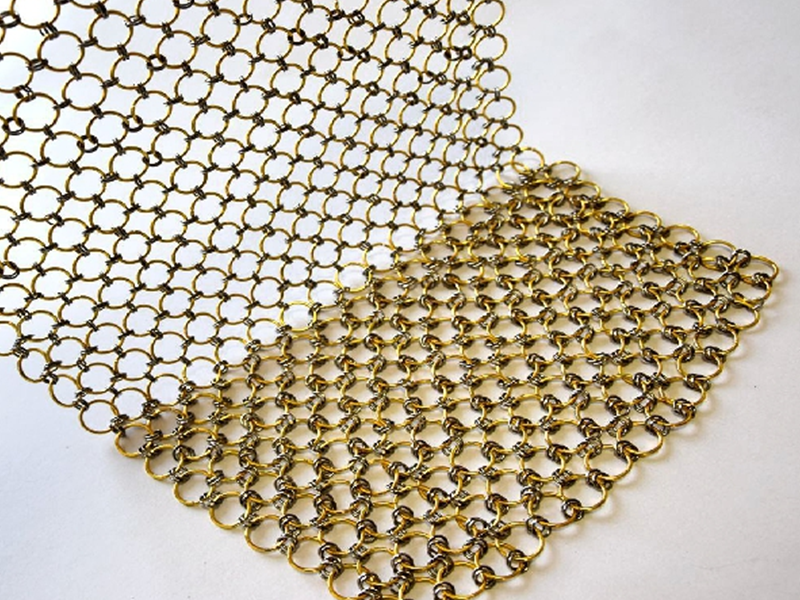
Copper filter screens are made from woven copper wire, known for their strength, flexibility, and resistance to corrosion. These screens are often used in filtration applications, including water purification, air filtration, and even in architectural designs. Their unique properties make them suitable for both practical and aesthetic uses in building projects. Given their longevity and ability to withstand harsh conditions, copper filter screens represent a sustainable choice for builders.
Benefits of Copper Filter Screens in Construction
The benefits of incorporating copper filter screens into building practices are extensive. Here are some key advantages:
Durability and Longevity
Copper is renowned for its incredible durability, which translates into longer-lasting products. Copper filter screens can resist rust and corrosion, ensuring that they maintain their effectiveness and appearance over time. This characteristic reduces the need for frequent replacements, thus minimizing waste.
Natural Antimicrobial Properties
One of the standout features of copper is its natural antimicrobial properties. Copper has been shown to inhibit the growth of harmful bacteria and viruses, making it an ideal material for applications where hygiene is a priority. This is particularly relevant in buildings that focus on health and wellness, such as hospitals and schools.
Energy Efficiency
Using copper filter screens can enhance the energy efficiency of a building. By effectively filtering air and water, these screens help maintain optimal conditions within buildings, reducing the energy required for heating, cooling, and water treatment.
Recyclability
Copper is a highly recyclable material. When buildings are demolished or renovated, copper filter screens can be repurposed or recycled, further reducing their environmental impact. This aligns with sustainable practices that prioritize the reuse and recycling of materials.
Applications of Copper Filter Screens in Building
Copper filter screens can be utilized in various applications within the building and construction industry, including:
Water Filtration Systems
Copper filter screens are commonly used in water filtration systems, helping to remove impurities and contaminants. Their durability ensures that they can withstand the rigors of water treatment processes, providing clean and safe water for building occupants.
HVAC Systems
In heating, ventilation, and air conditioning (HVAC) systems, copper filter screens play a crucial role in maintaining air quality. They prevent dust and allergens from circulating within buildings, contributing to a healthier indoor environment.
Architectural Features
In addition to their functional uses, copper filter screens can also serve as decorative elements in architectural designs. Their aesthetic appeal can enhance the overall look of a building while serving practical purposes.
Copper Filter Screens vs. Other Materials
When considering materials for filtration and construction, it’s essential to compare copper to alternative options. Here’s how copper filter screens stack up against other materials:
Stainless Steel
While stainless steel is also a durable option, it lacks the antimicrobial properties of copper. Additionally, stainless steel screens may not provide the same aesthetic appeal as copper, which can tarnish beautifully over time.
Plastic
Plastic screens are lightweight and inexpensive, but they are not as durable as copper and can contribute to environmental pollution. Copper filter screens, being recyclable and long-lasting, are a more sustainable choice.
Aluminum
Aluminum is another alternative, but it may not resist corrosion as effectively as copper. Moreover, aluminum can degrade over time, impacting its filtration efficiency and lifespan.
Eco-Friendly Properties of Copper
The eco-friendly properties of copper extend beyond recyclability and durability. Here are a few additional attributes that make copper an excellent choice for sustainable building practices:
Low Energy Production
The process of mining and refining copper has a relatively low energy consumption compared to other materials. This makes copper a more environmentally friendly option in terms of resource extraction.
Reduced Chemical Leaching
Copper does not leach harmful chemicals into the environment, making it safer for use in water systems. This characteristic further supports sustainable building practices focused on health and safety.
The Future of Copper in Sustainable Building Practices
As the push for sustainable building practices continues to grow, the demand for materials that offer both functionality and eco-friendliness will increase. Copper filter screens are poised to play a significant role in the future of construction, especially as more builders recognize their benefits. Innovations in copper processing and applications may further enhance its appeal, making it a staple in environmentally responsible building.
Frequently Asked Questions
1. What are the main advantages of using copper filter screens?
Copper filter screens offer durability, natural antimicrobial properties, energy efficiency, and recyclability, making them an excellent choice for sustainable building practices.
2. How do copper filter screens compare to other materials?
Copper filter screens are generally more durable and have antimicrobial properties compared to stainless steel, plastic, and aluminum, making them a preferred choice for environmental sustainability.
3. Can copper filter screens be used in both commercial and residential buildings?
Yes, copper filter screens can be utilized in both commercial and residential applications, including water filtration systems, HVAC systems, and aesthetic architectural features.
4. Are copper filter screens cost-effective?
While the initial cost may be higher than other materials, the longevity and durability of copper filter screens can result in cost savings over time through reduced maintenance and replacement needs.
5. What is the environmental impact of using copper in construction?
Copper has a low environmental impact due to its energy-efficient production, recyclability, and lack of harmful chemical leaching, making it a sustainable material choice for construction.
Conclusion
In summary, copper filter screens are emerging as a crucial component in sustainable building practices. Their remarkable properties, including durability, antimicrobial benefits, and eco-friendliness, position them as a superior choice for builders looking to create environmentally responsible structures. As we move towards a more sustainable future, embracing materials like copper will play a pivotal role in transforming the construction landscape. Adopting copper filter screens not only enhances building efficiency but also contributes to a healthier planet, making them an invaluable asset in modern architecture and design.
TAG:
Related Posts

How Small Hook Flower Mesh Elevates Aesthetic Appeal in Architectural Design
How Small Hook Flower Mesh Enhances Aesthetic Appeal in Architecture
Introduction to Small Hook Flower Mesh in Architecture
In the realm of architecture, aesthetics play a pivotal role in defining a space's character and functionality. One innovative material that has gained traction in recent years is **small hook flower mesh**. This versatile mesh not only adds a unique visual element but also s


Your One Stop, One Solution!
Committed to providing high-quality wire mesh products and solutions to global customers. Anping County Joylink Wire Mesh Factory has become one of the influential brands in the industry.





Tel
Address
ZHANGWO DEVELOPMENT ZONE OF ANPING COUNTY,HEBEI PROVINCE,CHINA

Amy Liu