

Exploring the Versatility of Circular Decorative Mesh in Architectural Design
Apr 01,2026


Circular Decorative Mesh is an innovative product made from interconnected metal wires or fibers, designed to create a visually striking pattern while maintaining structural integrity. This form of mesh is particularly popular in architectural applications due to its unique ability to provide both privacy and light filtration, making it ideal for facades, partitions, and decorative screens. One of
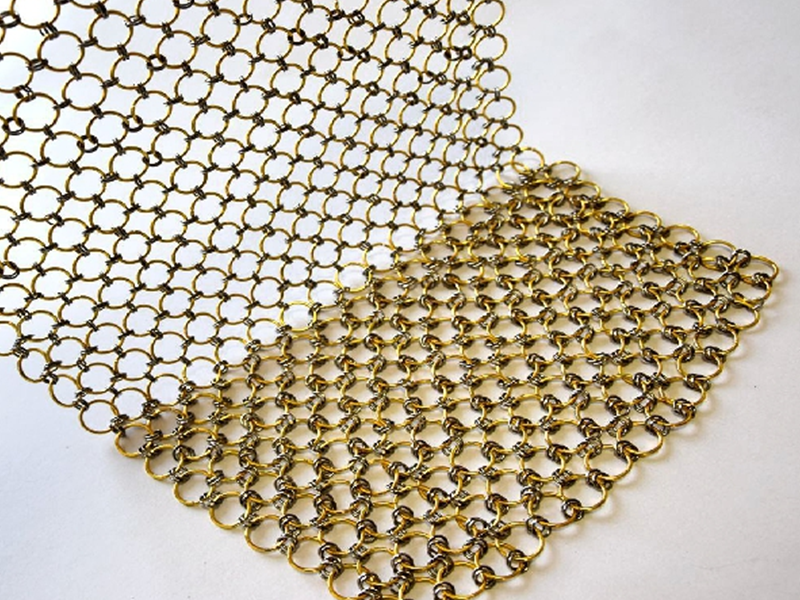
Circular Decorative Mesh is an innovative product made from interconnected metal wires or fibers, designed to create a visually striking pattern while maintaining structural integrity. This form of mesh is particularly popular in architectural applications due to its unique ability to provide both privacy and light filtration, making it ideal for facades, partitions, and decorative screens. One of the most appealing aspects of Circular Decorative Mesh is its versatility; it can be fabricated in a range of materials, including stainless steel, aluminum, and bronze, allowing architects and designers to select a finish that complements the overall design aesthetic of their projects.
The use of Circular Decorative Mesh can dramatically impact the visual dynamics of a space. Its geometric patterns and circular designs can create a sense of movement and flow, drawing the eye and enhancing the overall architectural experience. Additionally, the mesh can be finished in various colors and coatings, enabling customization to match specific design themes or branding requirements.
In terms of practical benefits, Circular Decorative Mesh offers excellent durability and resistance to environmental elements, making it suitable for both indoor and outdoor use. Its lightweight nature allows for easy installation, and it can be adapted to fit various structural configurations. Moreover, the open design of the mesh allows for air circulation and natural light penetration, which can contribute to energy efficiency in buildings.
Another significant advantage of using Circular Decorative Mesh is its ability to provide security without sacrificing aesthetics. When used in fencing or guardrails, it can maintain visibility while ensuring safety, making it an ideal choice for public spaces such as parks, gardens, and commercial properties.
From a design perspective, integrating Circular Decorative Mesh into architectural projects can also promote sustainability. By allowing natural light to penetrate while providing shade, it can reduce reliance on artificial lighting and air conditioning, ultimately lowering energy consumption.
In summary, Circular Decorative Mesh is a multifaceted material that offers both aesthetic and functional benefits in architectural design. Its ability to combine beauty with practicality makes it an attractive option for various applications, from decorative partitions to protective facades. As architects and designers continue to explore innovative solutions for modern building challenges, Circular Decorative Mesh stands out as a material that not only enhances visual appeal but also contributes to sustainable practices in architecture.
The use of Circular Decorative Mesh can dramatically impact the visual dynamics of a space. Its geometric patterns and circular designs can create a sense of movement and flow, drawing the eye and enhancing the overall architectural experience. Additionally, the mesh can be finished in various colors and coatings, enabling customization to match specific design themes or branding requirements.
In terms of practical benefits, Circular Decorative Mesh offers excellent durability and resistance to environmental elements, making it suitable for both indoor and outdoor use. Its lightweight nature allows for easy installation, and it can be adapted to fit various structural configurations. Moreover, the open design of the mesh allows for air circulation and natural light penetration, which can contribute to energy efficiency in buildings.
Another significant advantage of using Circular Decorative Mesh is its ability to provide security without sacrificing aesthetics. When used in fencing or guardrails, it can maintain visibility while ensuring safety, making it an ideal choice for public spaces such as parks, gardens, and commercial properties.
From a design perspective, integrating Circular Decorative Mesh into architectural projects can also promote sustainability. By allowing natural light to penetrate while providing shade, it can reduce reliance on artificial lighting and air conditioning, ultimately lowering energy consumption.
In summary, Circular Decorative Mesh is a multifaceted material that offers both aesthetic and functional benefits in architectural design. Its ability to combine beauty with practicality makes it an attractive option for various applications, from decorative partitions to protective facades. As architects and designers continue to explore innovative solutions for modern building challenges, Circular Decorative Mesh stands out as a material that not only enhances visual appeal but also contributes to sustainable practices in architecture.
TAG:
Related Posts

How Small Hook Flower Mesh Elevates Aesthetic Appeal in Architectural Design
How Small Hook Flower Mesh Enhances Aesthetic Appeal in Architecture
Introduction to Small Hook Flower Mesh in Architecture
In the realm of architecture, aesthetics play a pivotal role in defining a space's character and functionality. One innovative material that has gained traction in recent years is **small hook flower mesh**. This versatile mesh not only adds a unique visual element but also s


Your One Stop, One Solution!
Committed to providing high-quality wire mesh products and solutions to global customers. Anping County Joylink Wire Mesh Factory has become one of the influential brands in the industry.





Tel
Address
ZHANGWO DEVELOPMENT ZONE OF ANPING COUNTY,HEBEI PROVINCE,CHINA

Amy Liu