

Exploring Circular Decorative Mesh: A Versatile Solution for Architectural and Design Applications
Apr 11,2026


Circular decorative mesh is an innovative material that has gained popularity in the architectural and design sectors due to its versatility and aesthetic appeal. This type of mesh consists of circular openings that create a visually striking pattern while maintaining structural integrity. The unique design not only serves functional purposes but also enhances the overall aesthetic of spaces, maki
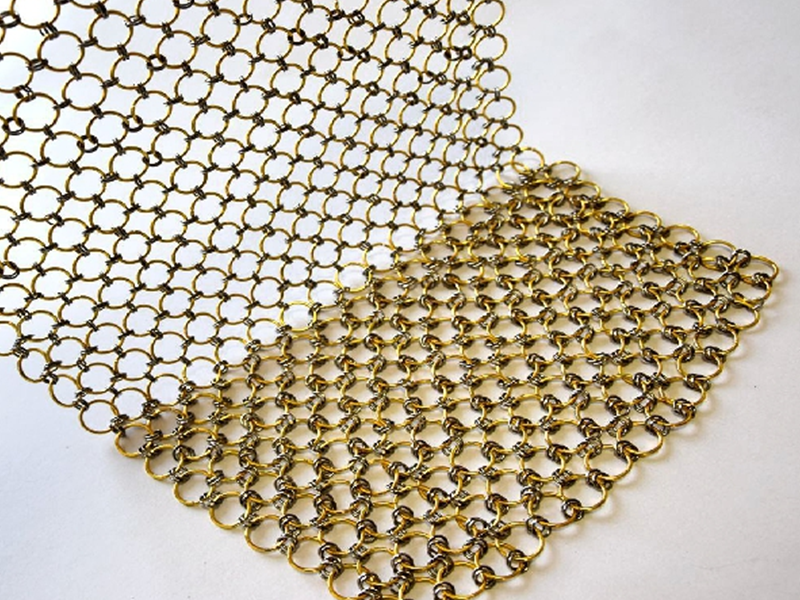
Circular decorative mesh is an innovative material that has gained popularity in the architectural and design sectors due to its versatility and aesthetic appeal. This type of mesh consists of circular openings that create a visually striking pattern while maintaining structural integrity. The unique design not only serves functional purposes but also enhances the overall aesthetic of spaces, making it a favored choice for architects, interior designers, and builders.
One of the key benefits of circular decorative mesh is its lightweight nature, which makes it easy to handle and install. This feature is particularly advantageous in large-scale projects where minimizing labor costs and installation time is crucial. Additionally, the open structure of the mesh allows for excellent airflow and visibility, making it suitable for applications where both privacy and openness are desired, such as in facades, partitions, and decorative elements.
In terms of materials, circular decorative mesh is often made from various metals, including stainless steel, aluminum, and brass. Each material offers distinct characteristics, such as corrosion resistance, strength, and aesthetic finish, allowing professionals to select the best option to meet their project requirements. For instance, stainless steel mesh is ideal for outdoor applications due to its resistance to rust and weathering, while aluminum may be preferred for projects where weight and ease of installation are primary concerns.
The versatility of circular decorative mesh extends to its applications, which can range from exterior facades and sunshades to interior decor elements like room dividers and ceiling treatments. Its aesthetic flexibility allows for customization in terms of size, shape, and finish, making it an ideal choice for creating unique design statements. Additionally, the mesh can be powder-coated or anodized to achieve various colors and textures, further enhancing its adaptability to different design schemes.
Another significant advantage of circular decorative mesh is its sustainability. Many manufacturers prioritize eco-friendly practices by using recyclable materials and minimizing waste during production. This alignment with sustainable practices not only benefits the environment but also appeals to clients looking to incorporate green solutions into their projects.
In conclusion, circular decorative mesh is a multifaceted material that combines functionality, aesthetics, and sustainability, making it an excellent choice for a wide range of architectural and design applications. By understanding the properties and advantages of this innovative mesh, professionals can leverage its potential to enhance their projects, ensuring that they meet the demands of modern design while providing lasting value.
One of the key benefits of circular decorative mesh is its lightweight nature, which makes it easy to handle and install. This feature is particularly advantageous in large-scale projects where minimizing labor costs and installation time is crucial. Additionally, the open structure of the mesh allows for excellent airflow and visibility, making it suitable for applications where both privacy and openness are desired, such as in facades, partitions, and decorative elements.
In terms of materials, circular decorative mesh is often made from various metals, including stainless steel, aluminum, and brass. Each material offers distinct characteristics, such as corrosion resistance, strength, and aesthetic finish, allowing professionals to select the best option to meet their project requirements. For instance, stainless steel mesh is ideal for outdoor applications due to its resistance to rust and weathering, while aluminum may be preferred for projects where weight and ease of installation are primary concerns.
The versatility of circular decorative mesh extends to its applications, which can range from exterior facades and sunshades to interior decor elements like room dividers and ceiling treatments. Its aesthetic flexibility allows for customization in terms of size, shape, and finish, making it an ideal choice for creating unique design statements. Additionally, the mesh can be powder-coated or anodized to achieve various colors and textures, further enhancing its adaptability to different design schemes.
Another significant advantage of circular decorative mesh is its sustainability. Many manufacturers prioritize eco-friendly practices by using recyclable materials and minimizing waste during production. This alignment with sustainable practices not only benefits the environment but also appeals to clients looking to incorporate green solutions into their projects.
In conclusion, circular decorative mesh is a multifaceted material that combines functionality, aesthetics, and sustainability, making it an excellent choice for a wide range of architectural and design applications. By understanding the properties and advantages of this innovative mesh, professionals can leverage its potential to enhance their projects, ensuring that they meet the demands of modern design while providing lasting value.
TAG:
Related Posts

Exploring the Durability of Small Hook Flower Mesh for Long-lasting Use
Exploring the Durability of Small Hook Flower Mesh for Long-lasting Use
Table of Contents
1. Introduction to Small Hook Flower Mesh
2. What is Small Hook Flower Mesh?
3. Materials and Construction of Small Hook Flower Mesh
4. Applications of Small Hook Flower Mesh
5. Advantages of Durability in Small Hook Flower Mesh
6. Maintenance and Care for Longevity
7. Comparison


Your One Stop, One Solution!
Committed to providing high-quality wire mesh products and solutions to global customers. Anping County Joylink Wire Mesh Factory has become one of the influential brands in the industry.





Tel
Address
ZHANGWO DEVELOPMENT ZONE OF ANPING COUNTY,HEBEI PROVINCE,CHINA

Amy Liu