

Understanding Hexagonal Net: A Versatile Solution in Architectural Applications
Apr 19,2026


Hexagonal netting, often referred to simply as hexagonal net, is a specialized type of mesh that features a unique hexagonal pattern. This structure not only provides aesthetic appeal but also offers practical benefits in various architectural applications. Its versatility makes it a valuable material in the construction and decorative materials sector, particularly in the realm of metal wire mesh
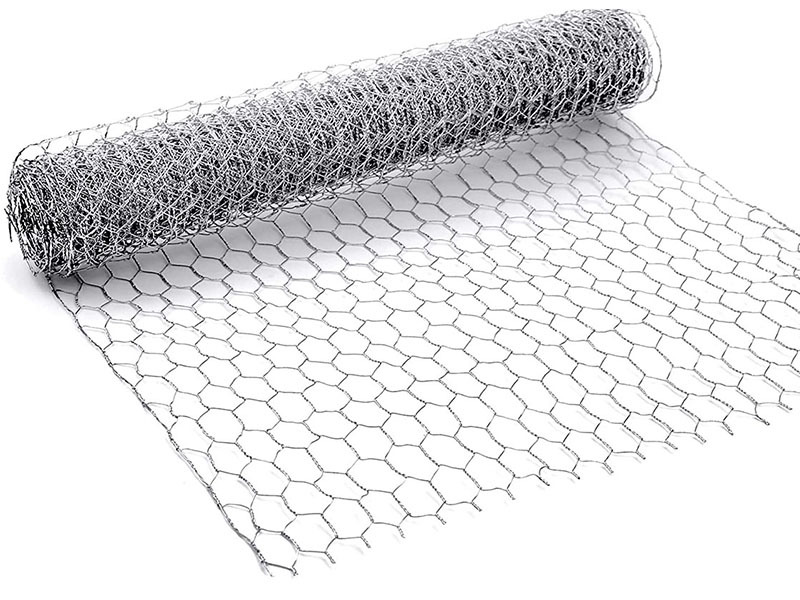
Hexagonal netting, often referred to simply as hexagonal net, is a specialized type of mesh that features a unique hexagonal pattern. This structure not only provides aesthetic appeal but also offers practical benefits in various architectural applications. Its versatility makes it a valuable material in the construction and decorative materials sector, particularly in the realm of metal wire mesh.
One of the key features of hexagonal netting is its strength-to-weight ratio. The hexagonal design distributes weight evenly across the surface, making it a robust option for reinforcing structures. In construction, it is frequently used in applications such as gabion walls, where it holds stones and provides stability to the surrounding landscape. This mesh helps to prevent erosion while promoting vegetation growth, making it an eco-friendly choice for retaining walls and landscaping projects.
Additionally, hexagonal nets are commonly utilized in agricultural applications. They serve as protective coverings for crops, preventing pests and birds from damaging plants while allowing sunlight and rain to nourish them. This dual functionality is increasingly important as sustainable farming practices gain traction. The netting can also be used in greenhouses, providing support for climbing plants and ensuring that air circulates properly.
In decorative applications, hexagonal netting can be employed to create visually appealing designs, such as partitions or wall art. Its intricate pattern can add depth and texture to interiors, making it a popular choice among architects and designers looking to create modern, eye-catching spaces. Moreover, the durability of this type of mesh means it can withstand varying environmental conditions, making it suitable for both indoor and outdoor use.
The manufacturing process of hexagonal netting typically involves weaving or welding metal wires into the desired shape. Common materials used include galvanized steel, stainless steel, and various alloys, which enhance the net's resistance to corrosion and wear. This durability is crucial in ensuring the longevity of the installations, particularly in harsh environments.
When considering hexagonal netting for your projects, it's essential to evaluate the specific requirements of your application, including load-bearing capacity and environmental exposure. Consulting with experts in the field can provide valuable insights into the best practices for installation and maintenance.
In conclusion, hexagonal netting is a versatile material with a wide range of applications in the construction and decorative materials industry. Its unique design, strength, and aesthetic qualities make it an excellent choice for various architectural needs. Whether you're looking to enhance structural integrity or add decorative elements to your project, hexagonal nets can offer both functionality and style.
One of the key features of hexagonal netting is its strength-to-weight ratio. The hexagonal design distributes weight evenly across the surface, making it a robust option for reinforcing structures. In construction, it is frequently used in applications such as gabion walls, where it holds stones and provides stability to the surrounding landscape. This mesh helps to prevent erosion while promoting vegetation growth, making it an eco-friendly choice for retaining walls and landscaping projects.
Additionally, hexagonal nets are commonly utilized in agricultural applications. They serve as protective coverings for crops, preventing pests and birds from damaging plants while allowing sunlight and rain to nourish them. This dual functionality is increasingly important as sustainable farming practices gain traction. The netting can also be used in greenhouses, providing support for climbing plants and ensuring that air circulates properly.
In decorative applications, hexagonal netting can be employed to create visually appealing designs, such as partitions or wall art. Its intricate pattern can add depth and texture to interiors, making it a popular choice among architects and designers looking to create modern, eye-catching spaces. Moreover, the durability of this type of mesh means it can withstand varying environmental conditions, making it suitable for both indoor and outdoor use.
The manufacturing process of hexagonal netting typically involves weaving or welding metal wires into the desired shape. Common materials used include galvanized steel, stainless steel, and various alloys, which enhance the net's resistance to corrosion and wear. This durability is crucial in ensuring the longevity of the installations, particularly in harsh environments.
When considering hexagonal netting for your projects, it's essential to evaluate the specific requirements of your application, including load-bearing capacity and environmental exposure. Consulting with experts in the field can provide valuable insights into the best practices for installation and maintenance.
In conclusion, hexagonal netting is a versatile material with a wide range of applications in the construction and decorative materials industry. Its unique design, strength, and aesthetic qualities make it an excellent choice for various architectural needs. Whether you're looking to enhance structural integrity or add decorative elements to your project, hexagonal nets can offer both functionality and style.
TAG:
Previous
Related Posts
Understanding Hexagonal Net: A Versatile Solution in Architectural Applications
Hexagonal netting, often referred to simply as hexagonal net, is a specialized type of mesh that features a unique hexagonal pattern. This structure not only provides aesthetic appeal but also offers practical benefits in various architectural applications. Its versatility makes it a valuable material in the construction and decorative materials sector, particularly in the realm of metal wire mesh


Your One Stop, One Solution!
Committed to providing high-quality wire mesh products and solutions to global customers. Anping County Joylink Wire Mesh Factory has become one of the influential brands in the industry.





Tel
Address
ZHANGWO DEVELOPMENT ZONE OF ANPING COUNTY,HEBEI PROVINCE,CHINA

Amy Liu