

Circular Decorative Mesh: The Ultimate Solution for Distinctive Architectural Design
Apr 26,2026


Circular Decorative Mesh: The Ultimate Solution for Distinctive Architectural Design
Table of Contents
Introduction to Circular Decorative Mesh
What is Circular Decorative Mesh?
Benefits of Using Circular Decorative Mesh in Architecture
Architectural Applications of Circular Decorative Mesh
Design Possibilities with Circular Decorative Mesh
Durability and Maintenance of Ci
Circular Decorative Mesh: The Ultimate Solution for Distinctive Architectural Design
Table of Contents
- Introduction to Circular Decorative Mesh
- What is Circular Decorative Mesh?
- Benefits of Using Circular Decorative Mesh in Architecture
- Architectural Applications of Circular Decorative Mesh
- Design Possibilities with Circular Decorative Mesh
- Durability and Maintenance of Circular Decorative Mesh
- Sustainability Aspect of Circular Decorative Mesh
- How to Choose the Right Circular Decorative Mesh
- Frequently Asked Questions
- Conclusion
Introduction to Circular Decorative Mesh
Circular decorative mesh is revolutionizing the architectural landscape. This innovative material not only adds aesthetic charm but also serves functional purposes in various designs. Whether you’re an architect, interior designer, or simply a construction enthusiast, understanding its versatility can elevate your projects.
In today’s focus on sustainability and unique design, circular decorative mesh emerges as a powerful tool in creating remarkable architectural features. This article delves deep into the unique properties and benefits of circular decorative mesh, providing insights on how to effectively utilize it to achieve stunning results.
What is Circular Decorative Mesh?
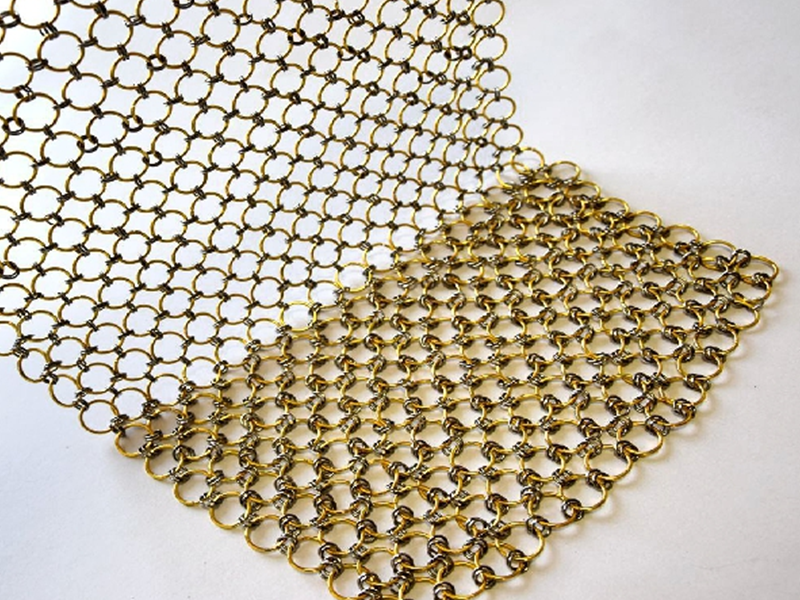
Circular decorative mesh refers to a specialized type of mesh material created in circular shapes and patterns, crafted from various materials such as metals, plastics, or composites. This mesh serves a multitude of purposes, from functional to aesthetic.
It can be used for privacy screens, room dividers, exterior facades, and even decorative accents in interior spaces. The circular design enhances its visual appeal, providing a unique texture and pattern that complements modern architectural trends.
Benefits of Using Circular Decorative Mesh in Architecture
The incorporation of circular decorative mesh in architecture offers numerous advantages that can enhance both the functionality and aesthetic quality of a space:
1. Versatility in Design
Circular decorative mesh can be adapted to various styles, from contemporary and industrial to traditional designs. Its flexibility allows architects to experiment with shapes and patterns, leading to innovative outcomes.
2. Enhanced Aesthetic Appeal
The unique patterns created by circular decorative mesh add depth and texture to surfaces. This design element can transform mundane spaces into visually captivating environments.
3. Light and Airflow Control
The open nature of circular decorative mesh allows for natural light to filter through while maintaining privacy. This characteristic is particularly beneficial in urban settings, where maximizing light while minimizing visibility is crucial.
4. Lightweight and Easy to Install
Compared to traditional materials such as concrete or brick, circular decorative mesh is lightweight, making it easier to handle and install. This can significantly reduce labor costs and installation time.
5. Cost-Effective
Circular decorative mesh is often more affordable than other decorative materials. Its durability and low maintenance requirements can also lead to significant long-term savings.
Architectural Applications of Circular Decorative Mesh
Circular decorative mesh has a wide range of applications across various architectural domains:
1. Facades and Exteriors
Using circular decorative mesh on building facades can create a striking visual impact, adding dimension and personality to otherwise flat surfaces. It can also serve practical purposes, such as protection from the elements.
2. Interiors
In interior design, circular decorative mesh can be employed as room dividers, feature walls, or even ceiling installations that draw the eye and create a focal point.
3. Landscaping and Outdoor Spaces
In outdoor areas, circular decorative mesh can be used to create screening, trellises, or garden art, blending functionality with artistic expression.
4. Privacy Screens
Circular decorative mesh is an ideal solution for privacy screens in residential or commercial settings, allowing light to filter through without compromising on privacy.
Design Possibilities with Circular Decorative Mesh
The design possibilities with circular decorative mesh are virtually limitless. Some creative ideas include:
1. Custom Patterns
Architects can work with manufacturers to create custom patterns that reflect a building's identity or brand, resulting in a truly unique architectural feature.
2. Mixed Materials
Combining circular decorative mesh with other materials, such as wood or stone, can enhance the overall aesthetic and lead to innovative design solutions.
3. Color Options
Many circular decorative meshes can be coated with various finishes and colors, allowing for integration into a wide array of design schemes.
Durability and Maintenance of Circular Decorative Mesh
One of the significant advantages of circular decorative mesh is its durability. Typically made from metals or treated materials, it can withstand harsh weather conditions, making it ideal for both indoor and outdoor applications.
Maintenance
Circular decorative mesh requires minimal maintenance. Regular cleaning with soap and water is often sufficient to keep it looking new. For metal meshes, preventing rust through protective coatings is advisable, especially in coastal areas where salt can accelerate corrosion.
Sustainability Aspect of Circular Decorative Mesh
Sustainability is an increasingly vital consideration in architecture. Circular decorative mesh aligns with sustainable practices due to its potential for recycled materials and low energy usage in production.
Using this material can contribute to green building certifications and enhance the overall sustainability profile of a project. Furthermore, its longevity reduces the need for frequent replacements, which is beneficial for resource conservation.
How to Choose the Right Circular Decorative Mesh
Selecting the right circular decorative mesh involves several considerations:
1. Material Selection
Choose a material that meets your aesthetic goals while being suitable for your project's environmental conditions. Metals offer durability, while plastics may provide more design flexibility.
2. Pattern and Design
Consider how the pattern of the mesh will interact with light and space. Custom designs may elevate your project’s uniqueness.
3. Size and Scale
The dimensions of the mesh should be appropriate for the intended application. Larger panels might be suitable for facades, while smaller pieces may work well for interiors.
Frequently Asked Questions
1. What is the primary use of circular decorative mesh?
Circular decorative mesh is used in architecture and design to enhance aesthetic appeal, create privacy screens, and serve various functional purposes in both indoor and outdoor spaces.
2. Is circular decorative mesh weather-resistant?
Yes, most circular decorative meshes are made from weather-resistant materials, making them suitable for outdoor applications.
3. How do I clean circular decorative mesh?
Regular cleaning with soap and water is typically sufficient. For metal meshes, ensure protective coatings are maintained to prevent rust.
4. Can circular decorative mesh be customized?
Yes, many manufacturers offer customization options, allowing architects to create unique patterns and designs.
5. Is circular decorative mesh eco-friendly?
Circular decorative mesh can be made from recycled materials and has a long lifespan, contributing positively to sustainability efforts in architecture.
Conclusion
Circular decorative mesh is a game-changer in the realm of architectural design, offering a blend of functionality, aesthetic appeal, and sustainability. Its versatility allows architects and designers to experiment with unique patterns and applications, resulting in stunning architectural features that captivate and inspire.
By understanding the benefits and best practices of using circular decorative mesh, professionals can integrate this innovative material into their projects, ensuring not only visual success but also long-term value and sustainability. Embrace circular decorative mesh for your next architectural endeavor and unlock the potential for distinctive, memorable design.
TAG:
Previous
Previous:
Related Posts
Circular Decorative Mesh: The Ultimate Solution for Distinctive Architectural Design
Circular Decorative Mesh: The Ultimate Solution for Distinctive Architectural Design
Table of Contents
Introduction to Circular Decorative Mesh
What is Circular Decorative Mesh?
Benefits of Using Circular Decorative Mesh in Architecture
Architectural Applications of Circular Decorative Mesh
Design Possibilities with Circular Decorative Mesh
Durability and Maintenance of Ci


Your One Stop, One Solution!
Committed to providing high-quality wire mesh products and solutions to global customers. Anping County Joylink Wire Mesh Factory has become one of the influential brands in the industry.





Tel
Address
ZHANGWO DEVELOPMENT ZONE OF ANPING COUNTY,HEBEI PROVINCE,CHINA

Amy Liu