

The Crucial Role of Hexagonal Net in Sustainable Building Practices
May 14,2026


The Crucial Role of Hexagonal Net in Sustainable Building Practices
Table of Contents
1. Introduction to Hexagonal Nets
2. What is Hexagonal Net?
3. Benefits of Hexagonal Net in Construction
3.1 Sustainability and Environmental Impact
3.2 Enhanced Structural Integrity
3.3 Cost-Effectiveness and Efficiency

The Crucial Role of Hexagonal Net in Sustainable Building Practices
Table of Contents
- 1. Introduction to Hexagonal Nets
- 2. What is Hexagonal Net?
- 3. Benefits of Hexagonal Net in Construction
- 3.1 Sustainability and Environmental Impact
- 3.2 Enhanced Structural Integrity
- 3.3 Cost-Effectiveness and Efficiency
- 4. Applications of Hexagonal Nets in Building
- 4.1 Hexagonal Net in Construction Materials
- 4.2 Hexagonal Nets in Green Roofs
- 4.3 Hexagonal Nets in Reinforcement Systems
- 5. The Future of Hexagonal Nets in Sustainable Building
- 6. Challenges in Implementing Hexagonal Nets
- 7. Conclusion
- 8. Frequently Asked Questions
1. Introduction to Hexagonal Nets
Hexagonal nets have emerged as an innovative solution in modern construction, addressing both sustainability challenges and enhancing building performance. As the construction industry shifts towards eco-friendly practices, the significance of these nets cannot be overlooked. They not only provide essential support but also facilitate efficient resource use and reduce environmental footprints.
2. What is Hexagonal Net?
Hexagonal nets, characterized by their unique hexagonal pattern, are made from various materials, including steel and plastic. These nets are designed to offer superior strength while maintaining lightweight properties, making them ideal for a variety of construction applications. Their geometric shape allows for efficient spacing and loads distribution, which is crucial in building applications.
3. Benefits of Hexagonal Net in Construction
When examining the advantages of hexagonal nets in building practices, three primary areas stand out: sustainability, structural integrity, and cost-effectiveness.
3.1 Sustainability and Environmental Impact
Sustainability is at the forefront of modern construction practices. Hexagonal nets promote eco-friendliness in several ways. Firstly, their lightweight nature reduces the amount of material needed for construction, consequently lowering resource consumption. Additionally, many hexagonal nets are made from recycled materials, contributing to a circular economy. The use of these nets not only minimizes the carbon footprint of buildings but also aligns with global sustainability goals.
3.2 Enhanced Structural Integrity
One of the most important benefits of hexagonal nets is their ability to enhance structural integrity. The hexagonal design allows for effective force distribution across a wider area, which is essential in load-bearing applications. This feature significantly improves the resilience of structures against environmental stresses such as wind and earthquakes, ultimately leading to safer and more durable buildings.
3.3 Cost-Effectiveness and Efficiency
In addition to their sustainability and strength, hexagonal nets also provide cost-effective solutions for builders. By reducing the quantity of materials required and minimizing waste, these nets contribute to lower overall project costs. Furthermore, their ease of installation can lead to decreased labor costs, making them an attractive option for both large-scale and small-scale construction projects.
4. Applications of Hexagonal Nets in Building
The versatility of hexagonal nets lends itself to a variety of applications across the construction spectrum. Here are some notable uses:
4.1 Hexagonal Net in Construction Materials
Hexagonal nets are commonly used as reinforcement in concrete materials. By integrating these nets into concrete, builders can significantly enhance the tensile strength of structures. This application is particularly valuable in constructing pavements, slabs, and walls, ensuring longevity and durability.
4.2 Hexagonal Nets in Green Roofs
The advent of green roofs has transformed urban architecture, promoting biodiversity and reducing heat island effects. Hexagonal nets play a crucial role in supporting vegetation on these roofs, providing stability for soil retention while allowing for proper drainage. This enhances the ecological benefits of green roofs, making them more effective in promoting sustainability.
4.3 Hexagonal Nets in Reinforcement Systems
In various reinforcement systems, hexagonal nets offer an innovative approach to enhancing strength and stability. Their unique structure allows for optimized load distribution, making them ideal for applications like retaining walls and slope stabilization. This ensures that structures maintain their integrity over time, even in challenging environmental conditions.
5. The Future of Hexagonal Nets in Sustainable Building
As the construction industry continues evolving, the future of hexagonal nets looks promising. With increasing awareness of sustainable building practices, we anticipate a rise in the adoption of these materials. Innovations in manufacturing processes may lead to even more efficient and eco-friendly hexagonal nets, further solidifying their place in the sustainable building landscape.
Emerging trends such as smart construction techniques and the integration of smart technologies into building designs present opportunities for hexagonal nets to enhance their functionality. By incorporating sensors and other technologies, hexagonal nets may play a key role in monitoring structural health and environmental impact, thus contributing to smarter building practices.
6. Challenges in Implementing Hexagonal Nets
Despite their numerous advantages, the implementation of hexagonal nets does come with challenges. One primary concern is the initial cost associated with sourcing high-quality materials. While hexagonal nets may provide long-term savings through durability and efficiency, the upfront investment can be a barrier for some builders.
Additionally, there may be a lack of awareness about the benefits of hexagonal nets within certain segments of the construction industry. Educating builders and architects about the potential of these materials is crucial in encouraging widespread adoption.
7. Conclusion
In conclusion, hexagonal nets are proving to be a pivotal component in sustainable building practices. Their remarkable strength, sustainability credentials, and cost-effectiveness make them an ideal choice for modern construction projects. As the industry evolves, we foresee a growing acceptance and application of hexagonal nets in various building contexts, ultimately contributing to a more sustainable future.
8. Frequently Asked Questions
1. What materials are hexagonal nets made from?
Hexagonal nets can be made from various materials, including steel, plastic, and recycled composites, depending on the application and required strength.
2. How do hexagonal nets enhance structural integrity?
The hexagonal design allows for effective force distribution across a wider area, improving resilience against environmental stresses like wind and earthquakes.
3. Can hexagonal nets be used in residential construction?
Yes, hexagonal nets are versatile and can be integrated into various types of construction, including residential buildings, to enhance structural strength and sustainability.
4. Are hexagonal nets environmentally friendly?
Many hexagonal nets are made from recycled materials, and their lightweight design reduces resource consumption, contributing to sustainable building practices.
5. What are some innovative applications of hexagonal nets in modern construction?
Hexagonal nets are used in concrete reinforcement, green roofs, retaining walls, and slope stabilization, among other applications, due to their strength and versatility.
TAG:
Related Posts
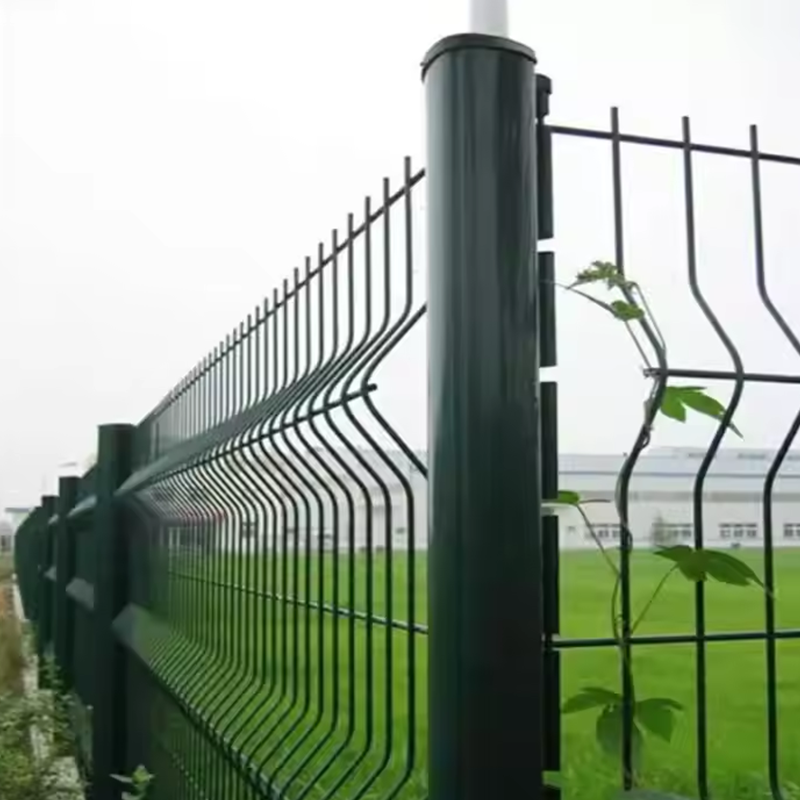
Exploring the Benefits and Applications of 3D Curved Fences in Modern Architecture
3D curved fences have emerged as a striking solution in the field of architecture and decorative materials, particularly in the landscape of metal wire mesh products. Their unique design not only adds a modern touch to various environments but also provides practical benefits that can enhance both residential and commercial spaces.
One of the primary advantages of 3D curved fences is their aesthet

Your One Stop, One Solution!
Committed to providing high-quality wire mesh products and solutions to global customers. Anping County Joylink Wire Mesh Factory has become one of the influential brands in the industry.





Tel
Address
ZHANGWO DEVELOPMENT ZONE OF ANPING COUNTY,HEBEI PROVINCE,CHINA

Amy Liu