

Copper Filter Screens: A Vital Element in Sustainable Environmental Design
Apr 28,2026


Copper Filter Screens: A Vital Element in Sustainable Environmental Design
Table of Contents
What Are Copper Filter Screens?
Benefits of Copper Filter Screens
Applications of Copper Filter Screens in Various Industries
Copper vs. Other Filter Screen Materials
Design Considerations for Copper Filter Screens
Maintenance and Care of Copper Filter Screens
Sustainability and Ecological Impact
Frequent

Copper Filter Screens: A Vital Element in Sustainable Environmental Design
Table of Contents
- What Are Copper Filter Screens?
- Benefits of Copper Filter Screens
- Applications of Copper Filter Screens in Various Industries
- Copper vs. Other Filter Screen Materials
- Design Considerations for Copper Filter Screens
- Maintenance and Care of Copper Filter Screens
- Sustainability and Ecological Impact
- Frequently Asked Questions (FAQs)
- Conclusion
What Are Copper Filter Screens?
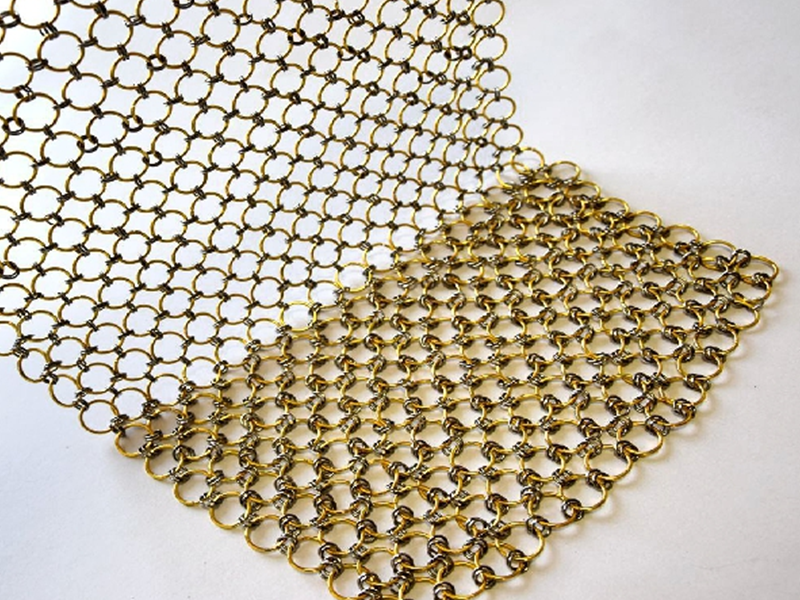
Copper filter screens are specialized devices designed to filter out impurities and particulates from fluids and gases. Made from woven copper wire, these screens combine strength, durability, and excellent filtration properties. Their design allows for efficient sorting of materials while maintaining high flow rates, making them a popular choice in various applications.
The unique properties of copper, including its resistance to corrosion and antimicrobial capabilities, enhance the functionality of these filter screens. As a result, they are not only efficient but also contribute to maintaining a cleaner environment by reducing the need for chemical treatments.
Benefits of Copper Filter Screens
Copper filter screens offer numerous benefits that make them an ideal choice for environmental design and industrial applications. Here are some key advantages:
1. Corrosion Resistance
One of the standout features of copper is its resistance to corrosion, which ensures that copper filter screens maintain their integrity over time. This durability translates into longer service life, reducing the frequency of replacements and maintenance efforts.
2. Antimicrobial Properties
Copper has natural antimicrobial properties that inhibit the growth of bacteria, fungi, and other microorganisms. This characteristic is particularly beneficial in applications where hygiene and cleanliness are paramount, such as in water filtration systems and food processing.
3. High Thermal Conductivity
Copper is an excellent conductor of heat, making copper filter screens suitable for applications requiring temperature regulation. Their thermal properties allow for efficient heat exchange, which is essential in various industrial processes.
4. Eco-Friendly Choice
With a growing emphasis on sustainability, copper filter screens are an environmentally friendly option. Copper is a recyclable material, and its use in filtration systems aligns with the principles of reducing waste and conserving resources.
5. Versatile Applications
Copper filter screens can be utilized across a wide range of industries, from water treatment to HVAC systems. Their adaptability ensures they can meet diverse filtration needs effectively.
Applications of Copper Filter Screens in Various Industries
Copper filter screens find applications in numerous industries due to their unique properties and performance characteristics. Here are some notable sectors where these screens play a crucial role:
1. Water Treatment
In the water treatment industry, copper filter screens are used to remove sediment and impurities from raw water sources. Their antimicrobial properties also help in preventing the growth of harmful microorganisms, ensuring the delivery of clean and safe drinking water.
2. HVAC Systems
Heating, ventilation, and air conditioning (HVAC) systems benefit from the use of copper filter screens. These screens help in filtering airborne particles, ensuring cleaner air circulation within buildings. Their durability and resistance to corrosion also make them a reliable choice for long-term use.
3. Food Processing
The food processing industry relies on copper filter screens to maintain hygiene standards. These screens effectively filter out contaminants while preventing microbial growth, ensuring the safety and quality of food products.
4. Chemical Processing
In chemical processing, copper filter screens are essential for separating solids from liquids. Their high filtration efficiency and thermal conductivity enable optimal processing conditions, enhancing overall productivity.
5. Aquaculture
Copper filter screens are increasingly being used in aquaculture systems to maintain water quality. By filtering out organic matter and pathogens, these screens help create a healthier environment for aquatic life.
Copper vs. Other Filter Screen Materials
When selecting materials for filter screens, it's essential to consider the advantages and disadvantages of different options. Here, we compare copper filter screens with other commonly used materials.
1. Stainless Steel
While stainless steel filter screens are known for their strength and corrosion resistance, they lack the antimicrobial properties of copper. Additionally, copper's natural conductivity can be advantageous in certain applications where thermal management is crucial.
2. Plastic
Plastic filter screens are lightweight and resistant to corrosion, but they may not offer the same level of durability and filtration efficiency as copper. Moreover, plastics can degrade over time, leading to potential contamination of filtered materials.
3. Aluminum
Aluminum screens offer a good balance of strength and weight, but they do not possess the antimicrobial properties that enhance copper's performance. Copper’s eco-friendliness and recyclability further distinguish it from aluminum.
Design Considerations for Copper Filter Screens
Designing effective copper filter screens involves several factors that can influence their performance. Here are key considerations:
1. Mesh Size
The mesh size of a filter screen determines its filtration capability. A finer mesh captures smaller particles, while a coarser mesh allows for higher flow rates. The choice of mesh size should align with the specific filtration requirements of the application.
2. Wire Diameter
The diameter of the copper wire used in the screen construction affects its strength and durability. Thicker wires provide enhanced structural integrity, while thinner wires offer higher flexibility in applications where bending or shaping is necessary.
3. Shape and Configuration
Copper filter screens can be designed in various shapes and configurations to fit specific equipment or systems. Customization is often required to ensure optimal performance and compatibility with existing setups.
4. Surface Treatment
Applying surface treatments can enhance the performance of copper filter screens. Treatments that improve adhesion, increase resistance to corrosion, or enhance antimicrobial properties can significantly impact their effectiveness.
Maintenance and Care of Copper Filter Screens
Proper maintenance is crucial for ensuring the longevity and efficiency of copper filter screens. Here are some best practices:
1. Regular Cleaning
Routine cleaning of filter screens helps remove accumulated debris and contaminants. Depending on the application, screens may require cleaning every few weeks to maintain optimal performance.
2. Inspection for Damage
Regular inspections for signs of wear, corrosion, or damage can prevent costly replacements. Any damaged screens should be addressed promptly to avoid compromising filtration efficiency.
3. Replacement Schedule
Establishing a replacement schedule based on usage and environmental conditions can help maintain a consistent level of filtration quality. Monitoring performance can inform when it’s time to replace a screen.
Sustainability and Ecological Impact
Copper filter screens contribute to sustainability efforts in multiple ways. Their durability and recyclability reduce waste and resource consumption. By choosing copper over less sustainable materials, industries can lower their environmental footprints while enhancing filtration processes.
Moreover, the natural antimicrobial properties of copper improve water quality and safety, reducing the need for chemical treatments that can harm ecosystems. As industries increasingly prioritize sustainable practices, the role of copper filter screens in environmental design becomes ever more significant.
Frequently Asked Questions (FAQs)
1. What makes copper filter screens an eco-friendly option?
Copper is a recyclable material that reduces waste. Its antimicrobial properties also minimize the need for chemical treatments, contributing to a cleaner environment.
2. Can copper filter screens be used in high-temperature applications?
Yes, copper's high thermal conductivity makes it suitable for applications requiring temperature regulation.
3. How do I choose the right mesh size for my copper filter screen?
Selecting the appropriate mesh size depends on the specific filtration needs of your application, balancing flow rate with particle retention.
4. Are copper filter screens resistant to corrosion?
Yes, copper filter screens are highly resistant to corrosion, ensuring durability and longevity in various environments.
5. How often should I clean my copper filter screens?
Regular cleaning is recommended every few weeks, depending on usage and environmental conditions, to maintain optimal performance.
Conclusion
Copper filter screens represent a vital component in environmental design, offering a multitude of benefits including durability, antimicrobial properties, and eco-friendliness. Their extensive applications across various industries highlight their versatility and effectiveness in filtration processes. By choosing copper as a material, industries can enhance their operations while contributing to sustainability efforts. As we move towards a more environmentally conscious future, the role of copper filter screens will undoubtedly continue to grow, establishing them as a key component in the quest for cleaner and more efficient design solutions.
TAG:
Previous
Related Posts
Copper Filter Screens: A Vital Element in Sustainable Environmental Design
Copper Filter Screens: A Vital Element in Sustainable Environmental Design
Table of Contents
What Are Copper Filter Screens?
Benefits of Copper Filter Screens
Applications of Copper Filter Screens in Various Industries
Copper vs. Other Filter Screen Materials
Design Considerations for Copper Filter Screens
Maintenance and Care of Copper Filter Screens
Sustainability and Ecological Impact
Frequent


Your One Stop, One Solution!
Committed to providing high-quality wire mesh products and solutions to global customers. Anping County Joylink Wire Mesh Factory has become one of the influential brands in the industry.





Tel
Address
ZHANGWO DEVELOPMENT ZONE OF ANPING COUNTY,HEBEI PROVINCE,CHINA

Amy Liu