

The Essential Guide to Copper Filter Screens in the Construction and Decorative Materials Industry
Apr 03,2026


Copper filter screens have gained significant attention in the construction and decorative materials industry due to their unique properties and versatility. Made from high-quality copper, these screens are well-known for their durability, corrosion resistance, and excellent filtration capabilities. They serve various functions, from enhancing the aesthetic appeal of architectural designs to provi
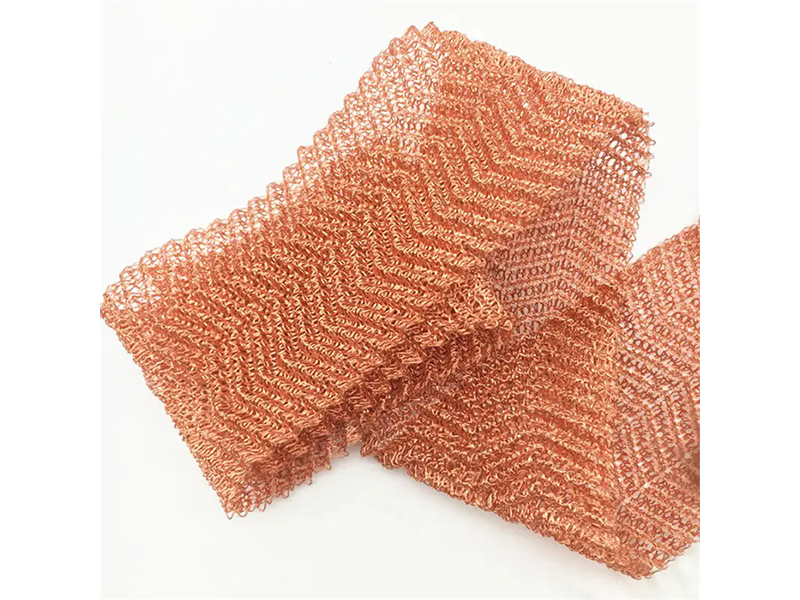
Copper filter screens have gained significant attention in the construction and decorative materials industry due to their unique properties and versatility. Made from high-quality copper, these screens are well-known for their durability, corrosion resistance, and excellent filtration capabilities. They serve various functions, from enhancing the aesthetic appeal of architectural designs to providing practical solutions for filtration needs.
One of the primary advantages of using copper filter screens is their natural antimicrobial properties. This characteristic makes them particularly valuable in environments where hygiene is a priority, such as kitchens or medical facilities. The inherent ability of copper to inhibit the growth of bacteria and fungi contributes to a cleaner and safer environment, which is an essential consideration in modern building practices.
In addition to their health benefits, copper filter screens are also highly effective in various filtration processes. They are commonly utilized in fluid applications where the filtration of debris, sediments, or contaminants is crucial. This includes water treatment systems, HVAC units, and even pool filtration systems. The fine mesh of copper filter screens ensures that only desired particles pass through while blocking harmful substances, thus prolonging the life of equipment and improving operational efficiency.
Moreover, copper's aesthetic appeal cannot be overlooked. The distinct reddish-brown hue of copper mesh adds a touch of elegance to design elements, making it an ideal choice for decorative applications. Architects and designers often incorporate copper filter screens into their projects to create visually striking features, such as decorative grilles, railings, or partitions. The material can be easily shaped and configured, allowing for creative designs while maintaining functional integrity.
When considering the installation of copper filter screens, it’s essential to select the appropriate mesh size and thickness based on the specific application and environment. Factors such as flow rate, type of contaminants, and operational conditions should be taken into account to ensure optimal performance. Regular maintenance, including cleaning and inspection, is also recommended to maintain the efficiency and longevity of the screens.
In conclusion, copper filter screens represent a fusion of practicality and aesthetics in the construction and decorative materials industry. Their unique properties—ranging from antimicrobial benefits to effective filtration—make them a valuable addition to various applications. Whether you are looking to improve filtration systems or enhance the visual appeal of your project, copper filter screens offer a reliable and stylish solution that meets the demands of modern construction and design. By understanding their features and applications, you can make informed decisions for your projects, ensuring both functionality and beauty.
One of the primary advantages of using copper filter screens is their natural antimicrobial properties. This characteristic makes them particularly valuable in environments where hygiene is a priority, such as kitchens or medical facilities. The inherent ability of copper to inhibit the growth of bacteria and fungi contributes to a cleaner and safer environment, which is an essential consideration in modern building practices.
In addition to their health benefits, copper filter screens are also highly effective in various filtration processes. They are commonly utilized in fluid applications where the filtration of debris, sediments, or contaminants is crucial. This includes water treatment systems, HVAC units, and even pool filtration systems. The fine mesh of copper filter screens ensures that only desired particles pass through while blocking harmful substances, thus prolonging the life of equipment and improving operational efficiency.
Moreover, copper's aesthetic appeal cannot be overlooked. The distinct reddish-brown hue of copper mesh adds a touch of elegance to design elements, making it an ideal choice for decorative applications. Architects and designers often incorporate copper filter screens into their projects to create visually striking features, such as decorative grilles, railings, or partitions. The material can be easily shaped and configured, allowing for creative designs while maintaining functional integrity.
When considering the installation of copper filter screens, it’s essential to select the appropriate mesh size and thickness based on the specific application and environment. Factors such as flow rate, type of contaminants, and operational conditions should be taken into account to ensure optimal performance. Regular maintenance, including cleaning and inspection, is also recommended to maintain the efficiency and longevity of the screens.
In conclusion, copper filter screens represent a fusion of practicality and aesthetics in the construction and decorative materials industry. Their unique properties—ranging from antimicrobial benefits to effective filtration—make them a valuable addition to various applications. Whether you are looking to improve filtration systems or enhance the visual appeal of your project, copper filter screens offer a reliable and stylish solution that meets the demands of modern construction and design. By understanding their features and applications, you can make informed decisions for your projects, ensuring both functionality and beauty.
TAG:
Related Posts
How to Select the Right Hexagonal Net for Your Needs
How to Select the Right Hexagonal Net for Your Needs
Table of Contents
Understanding Hexagonal Nets: An Overview
Applications of Hexagonal Nets in Various Industries
Materials Used in Hexagonal Nets: A Comprehensive Guide
Mesh Size Considerations: Finding the Right Fit
Durability and Performance: What to Look For
Installation and Maintenance Tips for Hexagonal Nets
Cost Consideratio

Your One Stop, One Solution!
Committed to providing high-quality wire mesh products and solutions to global customers. Anping County Joylink Wire Mesh Factory has become one of the influential brands in the industry.





Tel
Address
ZHANGWO DEVELOPMENT ZONE OF ANPING COUNTY,HEBEI PROVINCE,CHINA

Amy Liu