

How to Select the Right Hexagonal Net for Your Needs
Apr 04,2026


How to Select the Right Hexagonal Net for Your Needs
Table of Contents
Understanding Hexagonal Nets: An Overview
Applications of Hexagonal Nets in Various Industries
Materials Used in Hexagonal Nets: A Comprehensive Guide
Mesh Size Considerations: Finding the Right Fit
Durability and Performance: What to Look For
Installation and Maintenance Tips for Hexagonal Nets
Cost Consideratio
How to Select the Right Hexagonal Net for Your Needs
Table of Contents
- Understanding Hexagonal Nets: An Overview
- Applications of Hexagonal Nets in Various Industries
- Materials Used in Hexagonal Nets: A Comprehensive Guide
- Mesh Size Considerations: Finding the Right Fit
- Durability and Performance: What to Look For
- Installation and Maintenance Tips for Hexagonal Nets
- Cost Considerations: Budgeting for Your Hexagonal Net
- Frequently Asked Questions (FAQs)
Understanding Hexagonal Nets: An Overview
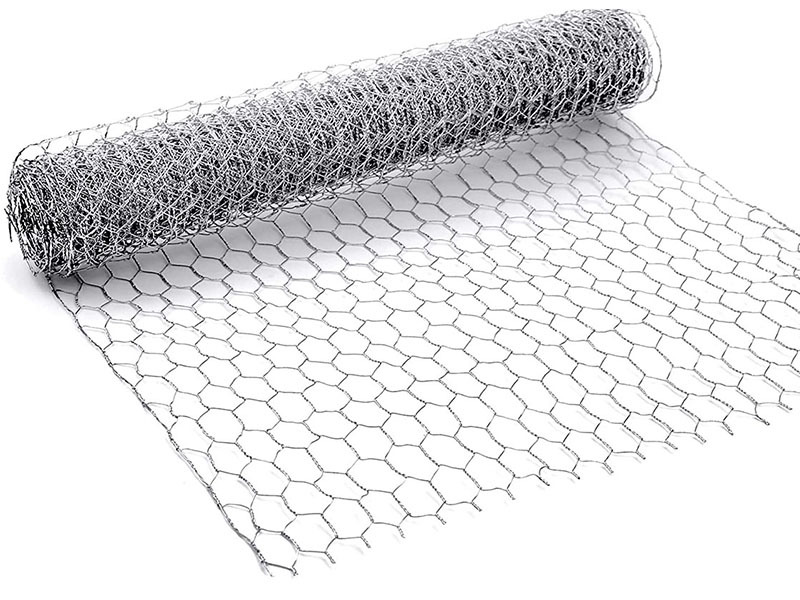
Hexagonal nets, often referred to as hex mesh or hexagonal wire mesh, are a versatile type of fencing and material used in various construction and decoration applications. Characterized by their distinct hexagonal pattern, these nets provide not only aesthetic appeal but also structural integrity and functionality.
When selecting a hexagonal net, understanding its structure is crucial. The hexagonal design allows for a higher strength-to-weight ratio, making it an ideal choice for various applications ranging from agriculture to architectural projects. Its unique shape also facilitates superior airflow, making it suitable for environments requiring ventilation.
Applications of Hexagonal Nets in Various Industries
Hexagonal nets have a wide array of applications, making them essential in many industries. Here are some prevalent uses:
Agricultural Uses
In agriculture, hexagonal nets are frequently employed for:
- **Animal enclosures**: Providing secure fencing for livestock.
- **Garden protection**: Shielding crops from pests while allowing sunlight and rain to reach them.
- **Erosion control**: Stabilizing soil on slopes and preventing erosion by utilizing the net as a base for vegetation.
Construction and Architecture
In construction, hexagonal nets are useful for:
- **Reinforcement**: Strengthening concrete structures and providing a framework for other materials.
- **Decorative features**: Enhancing visual appeal in façade designs and landscaping projects.
Industrial Applications
Industrially, hexagonal nets are used for:
- **Screening and filtration**: Separating materials in various manufacturing processes.
- **Security fencing**: Creating barriers around sensitive areas.
Materials Used in Hexagonal Nets: A Comprehensive Guide
Selecting the right material for your hexagonal net is vital for achieving the desired performance and durability. Below are common materials used:
Galvanized Steel
Galvanized steel is a popular choice due to its resistance to rust and corrosion. This material offers durability and longevity, making it ideal for outdoor applications.
Stainless Steel
For projects that require enhanced resistance to environmental factors, stainless steel hexagonal nets are recommended. They are more expensive than galvanized options but provide superior strength and corrosion resistance.
Plastic Coated Wire
Plastic-coated hexagonal nets are ideal for decorative purposes. They come in various colors and resist corrosion but may not have the same strength as metal options.
Polyethylene and Other Synthetic Materials
These materials are lightweight and resistant to various environmental factors. They are commonly used in temporary applications or where ease of installation is required.
Mesh Size Considerations: Finding the Right Fit
The mesh size of a hexagonal net plays a crucial role in determining its suitability for specific applications. It is important to evaluate the following factors:
Application Requirements
- For agricultural uses, smaller mesh sizes may be necessary to prevent pests from entering.
- For construction, larger mesh sizes can provide the necessary strength without adding excess weight.
Load-Bearing Capacity
Understanding the weight and load the hexagonal net will need to support is essential. Larger mesh sizes might be more appropriate for heavier loads, while smaller sizes can suffice for lighter applications.
Environmental Factors
Consider the environmental conditions in which the hexagonal net will be installed. If the area experiences high winds or heavy rainfall, a denser mesh may be required to withstand these conditions.
Durability and Performance: What to Look For
When selecting a hexagonal net, evaluate its durability and performance characteristics:
Weather Resistance
Ensure the material used can withstand local weather conditions without significant wear or damage. Galvanized and stainless steel options typically offer better resistance than untreated materials.
UV Resistance
For plastic-coated or synthetic hexagonal nets, UV resistance is important to prevent degradation due to sunlight exposure. Check for products specifically designed to withstand UV rays.
Weight and Thickness
The weight and thickness of the hexagonal net influence its strength and suitability for various applications. Heavier nets generally provide more durability and load-bearing capacity.
Installation and Maintenance Tips for Hexagonal Nets
Proper installation and maintenance can prolong the life of your hexagonal net:
Installation Guidelines
- **Site Preparation**: Ensure the area is clear of debris and obstacles before installing.
- **Proper Tools**: Use appropriate tools for cutting and fastening to achieve a secure installation.
- **Tensioning**: Maintain proper tension while installing to prevent sagging and ensure stability.
Maintenance Recommendations
- **Regular Inspections**: Frequently check for signs of wear, rust, or damage.
- **Cleaning**: Keep the nets clean from debris and organic matter to prevent deterioration.
- **Repairs**: Address any damage promptly to maintain structural integrity.
Cost Considerations: Budgeting for Your Hexagonal Net
Understanding the costs associated with hexagonal nets is essential for effective budgeting:
Material Costs
The type of material you choose significantly impacts the overall cost. Stainless steel and specialized synthetic materials tend to be more expensive than galvanized options.
Installation Costs
If hiring professionals for installation, factor in labor costs. DIY installation can save money, but ensure you have the necessary skills and tools.
Long-Term Investment
Consider the long-term benefits of investing in higher-quality materials. While initial costs may be higher, durable materials can reduce replacement and maintenance expenses over time.
Frequently Asked Questions (FAQs)
1. What is the best material for a hexagonal net?
The best material depends on the intended use. Galvanized steel is excellent for durability, while stainless steel offers superior corrosion resistance.
2. How do I determine the right mesh size?
Determine the mesh size based on the application. Smaller sizes are ideal for pest control, while larger sizes may be suitable for construction.
3. Can hexagonal nets be used in wet environments?
Yes, but ensure you choose a material that offers corrosion resistance, such as galvanized or stainless steel.
4. How do I maintain my hexagonal net?
Regular inspections, cleaning, and prompt repairs are essential for maintaining the integrity of your hexagonal net.
5. What are the installation costs for hexagonal nets?
Installation costs can vary based on material and labor. It is advisable to get quotes from multiple contractors if hiring professionals.
Conclusion
Selecting the right hexagonal net for your needs involves careful consideration of various factors, including material, mesh size, and intended application. By understanding the unique characteristics and benefits of different options, you can make an informed decision that meets your project's requirements. Whether you are working in agriculture, construction, or decorative design, the right hexagonal net can enhance both functionality and aesthetic appeal, ensuring your investment provides lasting benefits.
TAG:
Previous
Related Posts
How to Select the Right Hexagonal Net for Your Needs
How to Select the Right Hexagonal Net for Your Needs
Table of Contents
Understanding Hexagonal Nets: An Overview
Applications of Hexagonal Nets in Various Industries
Materials Used in Hexagonal Nets: A Comprehensive Guide
Mesh Size Considerations: Finding the Right Fit
Durability and Performance: What to Look For
Installation and Maintenance Tips for Hexagonal Nets
Cost Consideratio

Your One Stop, One Solution!
Committed to providing high-quality wire mesh products and solutions to global customers. Anping County Joylink Wire Mesh Factory has become one of the influential brands in the industry.





Tel
Address
ZHANGWO DEVELOPMENT ZONE OF ANPING COUNTY,HEBEI PROVINCE,CHINA

Amy Liu